Discrimination and exploitation of non-human animals intertwine in complex ways. When working for animal rights it’s good to get acquainted with the related human rights – and vice versa.
Getting familiar with one discriminated group may lead to comparison with others. Taking advantage of non-human animals would probably not be possible unless we generally wouldn’t consider non-human animals different and less than humans. But humans also treat each other in similar ways.
I’m reading about the Sámi people, who have been treated like animals in Europe for a long time and have even been put on display in zoos. When I write about neurodivergency, I notice othering speech both in medical science and in daily life. Autistic people have been denied the theory of mind, the understanding that each individual has their own consciousness and feelings. This is one of the traits which have been used to separate humans from animals.
What do non-human animals and othering of human groups have to do with each other? This is what I’m asking from Kuura Irni, a lecturer in the University of Helsinki.
“In the long history of Western thinking the concept of the human condition has only included upper-class men. Even slavery was justified by animalization. This is made possible by the fact that the value of animals is considered low”, says Irni.
In the tradition of Western thinking, differences have been perceived as hierarchical opposites: civilization versus nature, human versus animal, man versus woman. This kind of value system is questioned in activist circles. The animal point of view has traditionally been missing both in science and human rights issues, but in modern times it’s deemed important that the value of animals is taken into consideration. The otherings of different groups have usually something to do with each other.
Irni warns that different types of oppression shouldn’t be compared too linearly. Otherwise their distinctive traits might be left unobserved. For example, an American animals rights organization PETA has campaigned with women’s bodies being displayed disparagingly and this has caused backlash. When we start dismantling one kind of othering, we should also take it into account elsewhere.
“Identifying colonialism is important so that you’re not practicing it yourself. This can happen for Finnish people of the dominant culture who criticize the Sámi reindeer herding without understanding how Finnish use of power and racism affect the Sámi.”
Of course, Irni doesn’t oppose speaking about problems.
“But the status of animals is probably not being helped by criticizing how animal rights are realized without understanding the context and the relationship to power”. There’s a risk that the critique might be understood as Finns exercising power over the Sámi.”
Many faces of eating and not eating animals
Freja Högback, a doctoral researcher in Åbo Akademi University, is part of the critical animal research network, like Irni. Freja says that the field is defined as intersectional. In Finland, however, the research concentrates on non-human animals. In Högback’s opinion, anticolonialism could be represented more in the research. For example, whiteness could be taken into consideration and there could be more effort in dismantling power structures between the people.
“White animal rights movements are usually not very reactive to people who are being treated like animals everyday.”
Högback points out that speaking about racism or sexism doesn’t take focus away from animals. This way the kind of hierarchism which isn’t ruled by a simple dichotomy between humans and animals is taken into consideration.
Nationalism is intertwined both in animalization and in treatment of animals. Colonialism and assimilation were justified by treating the Sámi as “lower-class” people. The huge increase in the consumption of meat and industrial animal production in the beginning of the 20th-century was part of the construction plan of the Finnish identity and the modern society. Högback is studying veganism and the consequences of not adapting to the normalcy of animal consumption.
“The idea of the consumption of red meat is to become a strong nation in opposition to others – weak consumers of rice.”
The study is based on trans-inclusive ecofeminism and critical race research. Killing of animals and other violence have been normalized in the European colonialist culture. The order of considering someone “most human” is as follows: white men, white women, people considered insane, BIPOC and finally, non-human animals.
“The animal rights movement that began in the 1990s included direct action where young white women weren’t behaving according to the expectations of the patriarchy. Due to this legacy, ethical veganism is especially provocative in Finland. If a man is vegan, he is thought to be too considerate and becomes feminine.”
Högback tells how speciesism and racism walk hand in hand at American slaughterhouses where colonialized children are used as labour. During wars and genocides there is an attempt to render enemies as unnatural and compare them to animals; often to culturally despised and malicious animals or to ones which are considered evil. Governments might also practice cynical vegan-washing. This means drawing the attention of the general public to the means of achieving ethical consumer choices, while at the same time treating unethically people who are being othered – and in the big picture, animal rights are not truly being advanced at all.
The diminishment of othering is not a zero-sum game
Is a world, where the word “beast” wouldn’t be considered a slur-word, possible? Högback hopes for the critical animal study and indigenous people study to get closer to each other. Humanity and animality are processed differently in other cultures than in the Western value-based system.
Also Irni calls for solidarity between the movements. Questioning the animalization of some group of people without taken the status of animals into consideration might result in demeaning the animals. The otherings cross over in ecofeminism.
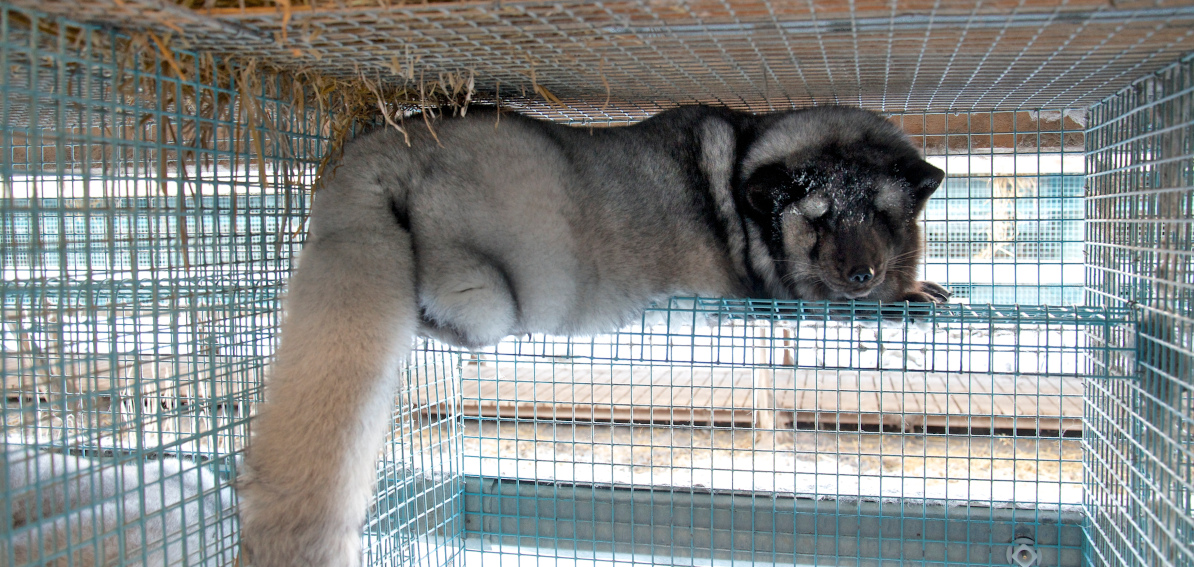
Animal rights don’t take away from trans-people, the poor, the disabled or those who are racially discriminated. Inequality should also be seen between non-human animals according to Irni: Wild animals might be loved and protected, whereas production animals are considered simple and worthless.
For additional reading Irni recommends the writings of Claire Jean Kim on taking both racism and the oppression of non-human animals into account. The writings of Veli-Pekka Lehtola shed the light on the colonization of the Sámi in the context of Finland.
Order magazine
This article originally appeared in Animalia magazine 2/2026. Are you interested in the magazine? Join Animalia here and receive the magazine as part of your membership. (The magazine is only published in Finnish.)
Translation: Artturi Lehikoinen
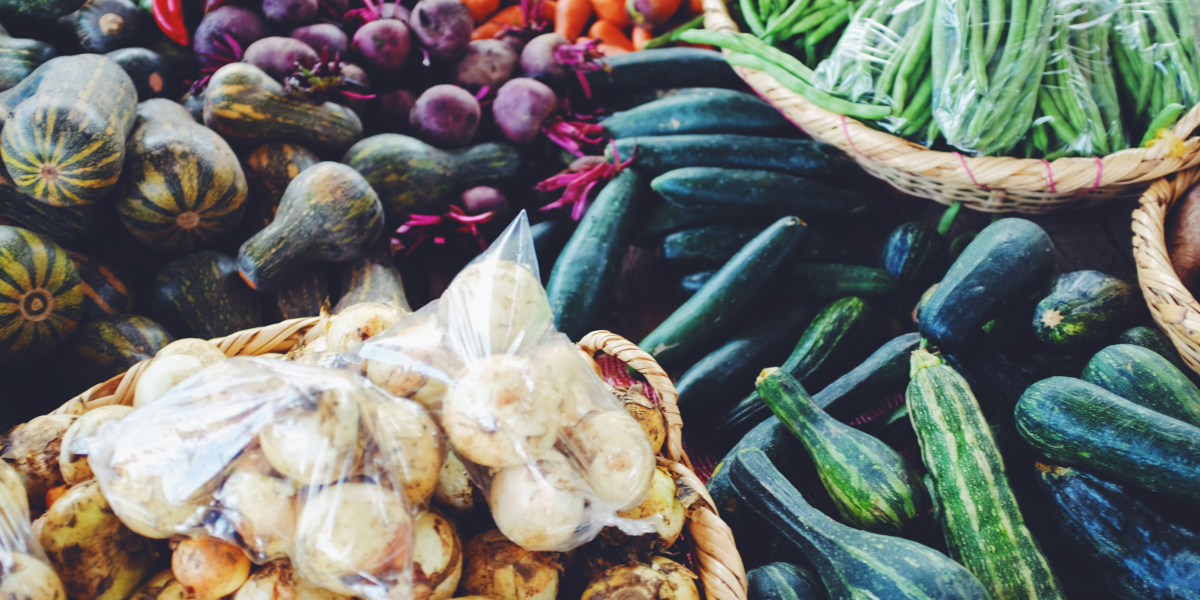
Photo: Arseny Togulev / Unsplash